

9 Rental Property Disasters and How To Cope With Damage
Severe Weather Damage to the Property
A severe thunder and wind storm has caused a tree branch to fall on your rental property, breaking part of the roof and windows. What do you do?


When it is safe, take photos/videos to document the damage before you perform any repairs.
Make the necessary temporary fixes to prevent further damage to your property, such as covering broken windows, leaky roofs and damaged walls. Do not do any permanent repairs until your insurance company has inspected the property, and you have reached an agreement on the cost of repairs.
Save all receipts, including those you collected from performing the temporary repairs. Plastic tarps or sheeting used to protect broken windows and damaged buildings from additional exposure to elements might be covered, depending on your insurance policy.
Tenants are not responsible for paying rent during the time the property is uninhabitable. Depending on the terms of your lease, you may need to provide them with temporary shelter. Some insurance policies may help you cover the cost.
When doing repairs, use the most practical, cost-effective and preventative (reinforced, stronger glass, etc.) materials to avoid any further damage in the future. Notable home contractor Mike Holmes makes the point that, “… we can’t stop the weather, but we can be smart and think ahead to avoid damage caused by snow and rain before it starts.“
Become informed on your insurer’s procedures and be prepared to file an insurance claim. This Huffington Post article has a great list of tips on how to file a home insurance report.
Pipe Burst/Flooding
A pipe in your rental property basement has burst, and the basement apartment has completely flooded. What do you do?

Document the damage by taking photos or videos.
Check to see if your insurance policy includes flooding of any kind. Don’t just take it from us. Bob Vila makes a strong case for flood insurance.
Have a professional assess the damage and estimate the total cost for repairs. This article from This Old House is a great case study on what to expect as far as process and costs are concerned.
If sanitation is required, or if you aren’t knowledgeable or proficient in plumbing, call a professional to ensure safety requirements are met.
Check your lease agreement to see if you are responsible for any of the damages to the personal property of your tenants. Rarely is the owner responsible for the damage, but it’s best to double-check so there are no surprises.
Save all receipts for possible reimbursements and personal filings for tax purposes.
Pest or Insect Infestation
A tenant has reported a severe cockroach infestation. What do you do?

Call a professional exterminator or pest control service. Roaches often survive DIY elimination efforts. The Bug Lady – aka Missy Henriksen, the Vice President of Public Affairs for the National Pest Management Association has identified 5 Signs For When to call in a Pro and states that “… there are a lot of DIY steps you can take to help prevent pests from finding their way into your home, but even these are most effective when completed in partnership with a pest professional. And, if you suspect you have an infestation, your first step should always be to call a licensed and trained pest professional.”
Implement preventative measures to avoid a recurring issue (like better-sealed windows, keeping counters clear of food, and frequently taking out the garbage). Since roaches and other pests, can easily enter your home via a grocery store bag, box, unsealed walls/doors/windows, and other non-solid items, it can be tough to avoid.
Schedule a time for them to deal with the issue.
Follow their instructions carefully for what to do with the personal items and furniture in the rental unit.
Criminal Activity by Tenants
You are suspicious that criminal activity (like drug dealing) is taking place in your rental property. What do you do?
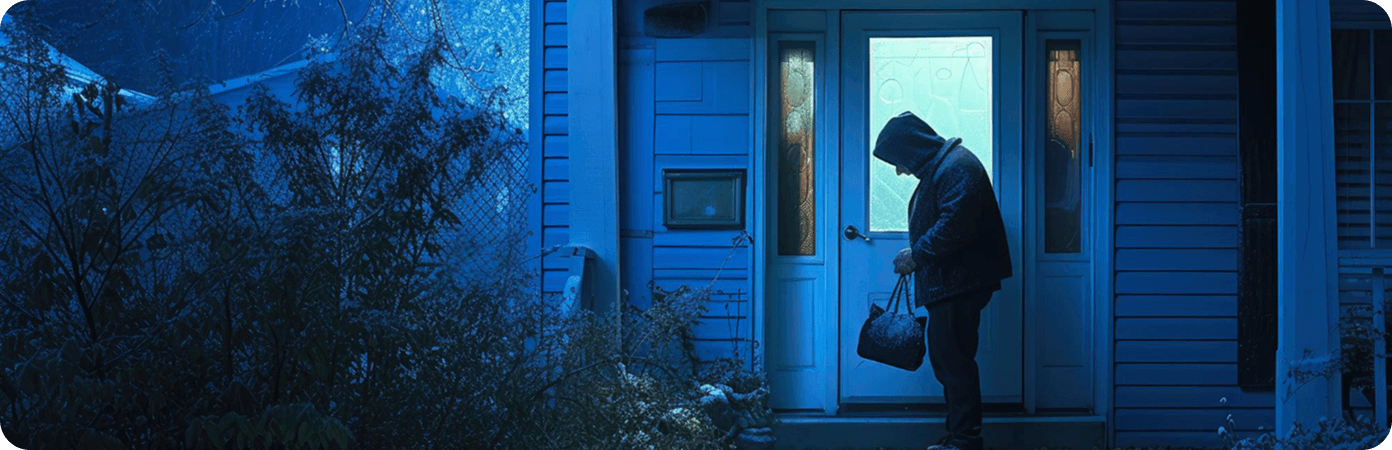
Don’t accept cash payments for rent if you suspect criminal activity.
Remind yourself of the provisions in your lease referring to criminal activity and find out what, if anything, it says about criminal activity conducted on the property.
Consult a security expert and real estate attorney to help you answer any questions concerning actions that you can take.
Evict anyone who violates these provisions immediately.
If you receive any complaints from neighbors about drug dealing or other criminal
Activity, respond immediately. Consult the police if necessary.
Tenant Goes MIA/Does Not Pay Rent
Your tenant has pulled a Houdini and disappeared without paying their rent. What do you do?

Try your best to reach them through the contact information you have. Contact their friends or relatives, as well.
Refer to your local laws on what actions you can take if someone has moved out and owes you money.
You may need to issue a summons to take that person to court, so be prepared for a lengthy process in order to be reimbursed.
If your lease states that you can evict the tenant after a period of time after rent has not been paid, fill out the appropriate documents to make it official. You’ll want everything to be clear, so you can rent your property out again ASAP. The tenants must have access to the property until the eviction is complete. You cannot change locks until this time.
If their personal belongings have been left behind, you may have to store them for 60 days (either on or off site) before they can be sold or discarded. Note that you must notify the tenant before doing anything with their belongings. Before you do anything thought, look into your state laws. Another consideration, while storage costs could be considered the tenant’s responsibility, it could be difficult to make them pay.
Eviction Is the Only Option (Last Straw)
You have tried every attempt to get your tenant to stop violating a term in their lease, but they have taken no action or initiative to do so. What do you do?

Take a close look at the terms of your lease before you serve an eviction notice to your tenant.
Make sure to include the reason for the eviction and the deadline to vacate the premises.
Also state the consequences of not vacating the premises in time (escalation to legal action, etc.).
Tie up all loose ends and, if possible, make sure the name of your tenant(s) are in an eviction record database to help future rental property owners avoid trouble.
Rental Prices Drop Dramatically
You have a tenant who knows that rental prices in your location are dropping due to the marketplace being flooded with supply. They threaten to leave unless you drop your rent price. What do you do?

Assess the market. This article in the New York Times provides comprehensive details on how to do so.
If you are not familiar with assessing markets and competitive pricing, it might be best to consult a real estate agent for expert advice.
Test the marketplace empirically and put your property listing up with a certain price tag to see what kind of interest you can generate. If there is a lot of interest in your property, do not budge with your current tenants and let them know you have a waitlist for the property.
If after doing thorough research and consulting experts, you still think you will need to drop the price, make sure you implement a condition saying you can increase the rent (by giving proper notice) at your discretion. Don’t trap yourself.
Your Rental Property Violates Code
Laws, regulations, codes, permits are ever-changing. You find out your property has fallen behind the times, and an inspection is coming up. What do you do?

Find out exactly what you have to do to be up to code. Keep in mind that the landlord is liable for any code violations.
Do what you can yourself and hire the appropriate professionals to handle the rest.
Keep all your receipts. Not only do they help you track all business expenses and are essential for tax purposes, but they can be used as evidence for repairs and maintenance when you meet with the inspector.
Pencil in a code review into your calendar with a reminder, so you never fall behind again.
You Reach the End of Your Rope
Your blood pressure is consistently on the rise, and you aren’t sleeping well at night. Turns out this was a lot more work than you had initially thought. What do you do?

Explore your options. Find out what types of technology and tools might help to alleviate some stress.
Do a cost-benefit analysis and take into account your time and stress.
Take the plunge and hire a pro!
Feeling Overwhelmed? Get Expert Help
Managing rental disasters alone can be exhausting and risky.
Let Renters Warehouse handle the stress so you can protect your time and investment.